




Olis Paintings
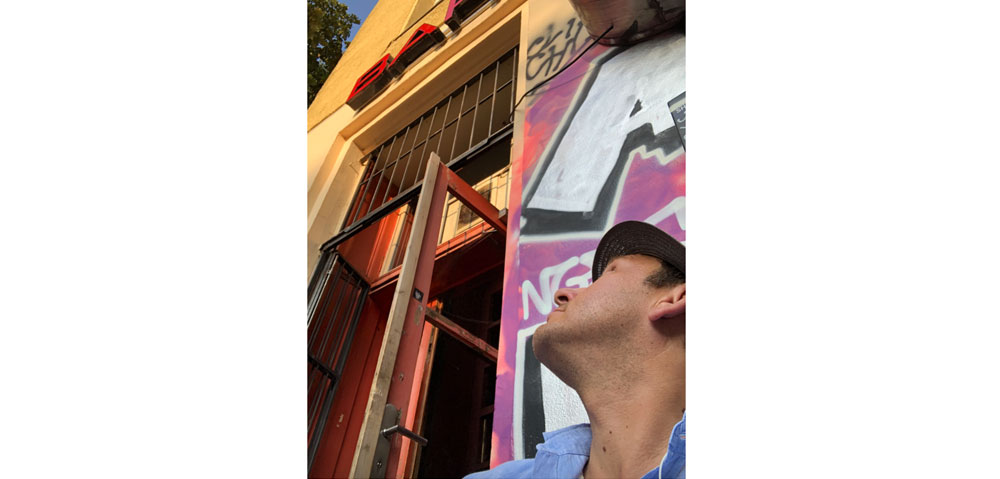
OLI IN CONVERSATION
“Painting was not a reinvention — it was the end of adaptation…” The switch to painting at 50. Was that a break?
Paul Olivier: It was a liberation. For decades I moved through systems that worked. Hotel, film, advertising.
On the evening of my 50th birthday, I reached the point where mere functioning was no longer an option. Painting was the inevitable consequence. A spontaneous but well-considered cut.
Why this scale of two meters?
Paul Olivier: I need that scale to be able to move within the image. For me, no pictorial space begins below two meters. It’s an act of the body. Movement becomes part of the image.
That’s why the works hang low while I’m painting: I step directly into them. It’s a one-to-one encounter between my body and the material. What emerges from that is not decoration, but pure resonance.
You almost always work on three canvases simultaneously. Why this structure?
Paul Olivier: Origin, impact, condensation. That’s my simultaneous three-canvas process. The crucial thing is that these three surfaces interlock.
If I make an intervention on the “condensation,” it retroactively changes the “origin.” Every decision shifts the entire structure. In the end, usually only a single image remains, uniting this whole intensity within itself.
Language was your starting point. How does that fit with painting?
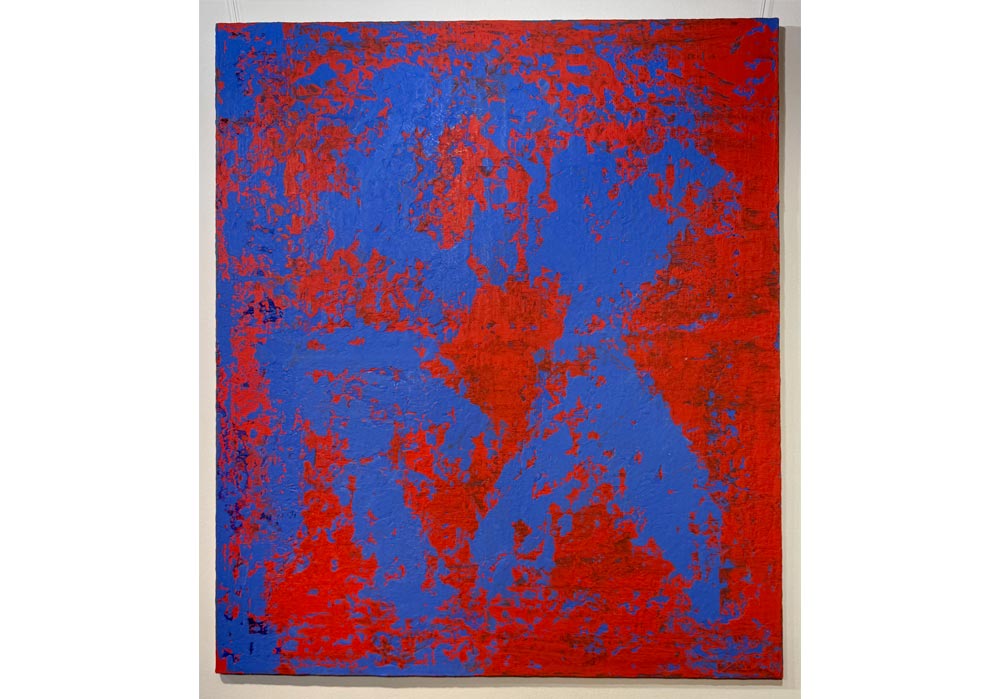
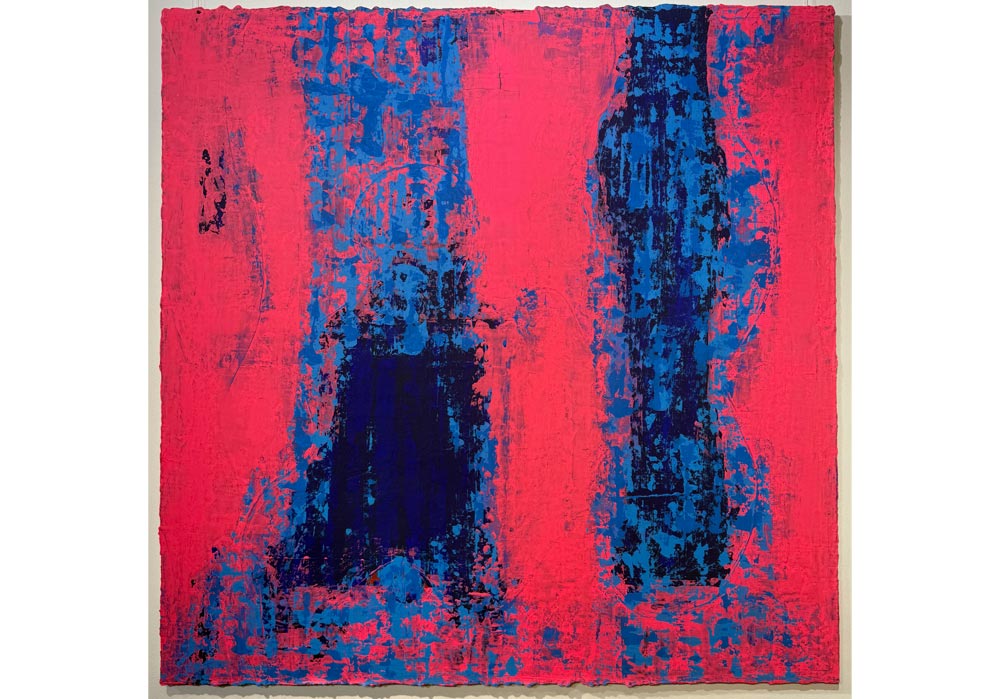
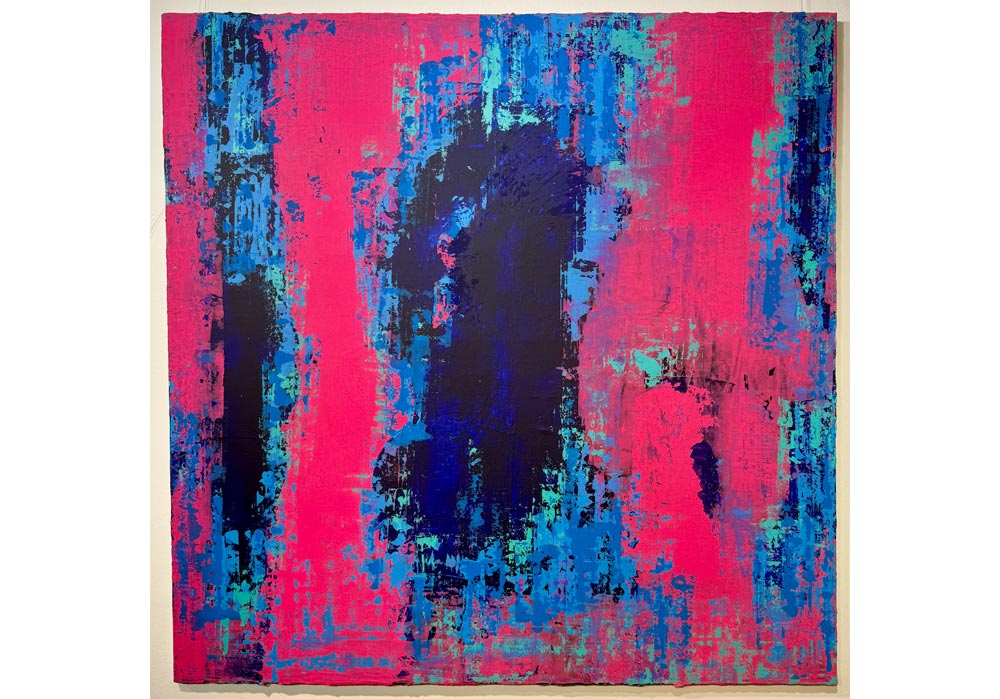
Paul Olivier: Painting allows me an opening through abstraction that wasn’t possible in language. In the origin, I embed the core as figurative fragments of earlier texts. Through layering, legibility is lost. What remains is abstract structure. The intuitive perception of the origin continues to act through the layers.
Your colors are often very present. What role does this color intensity play?
Paul Olivier: I’m not interested in heaviness — but in condensation, from which possibilities arise. Even when the impulse is emotionally charged: with every layer, options form that transform the conflict.
When looking at it, the image keeps reshaping itself. The colors carry the direction of the works. What begins as confrontation doesn’t stay static. Layer by layer, it changes into options.
When do you know a painting is finished?
Paul Olivier: When it starts to assert itself against me. A painting is finished when it develops its meaning independently.
works
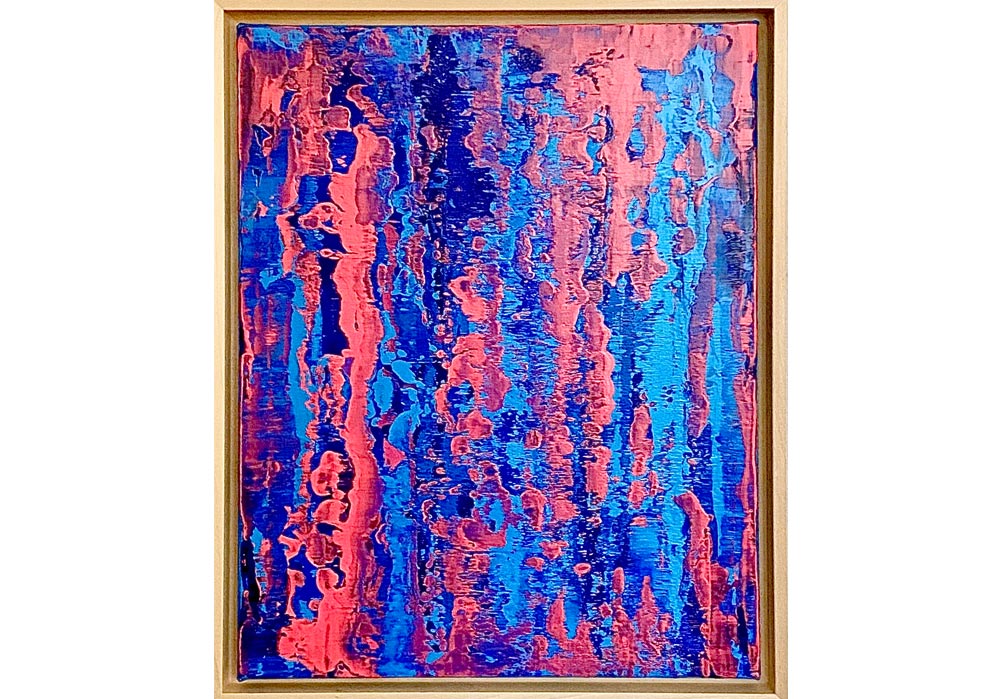
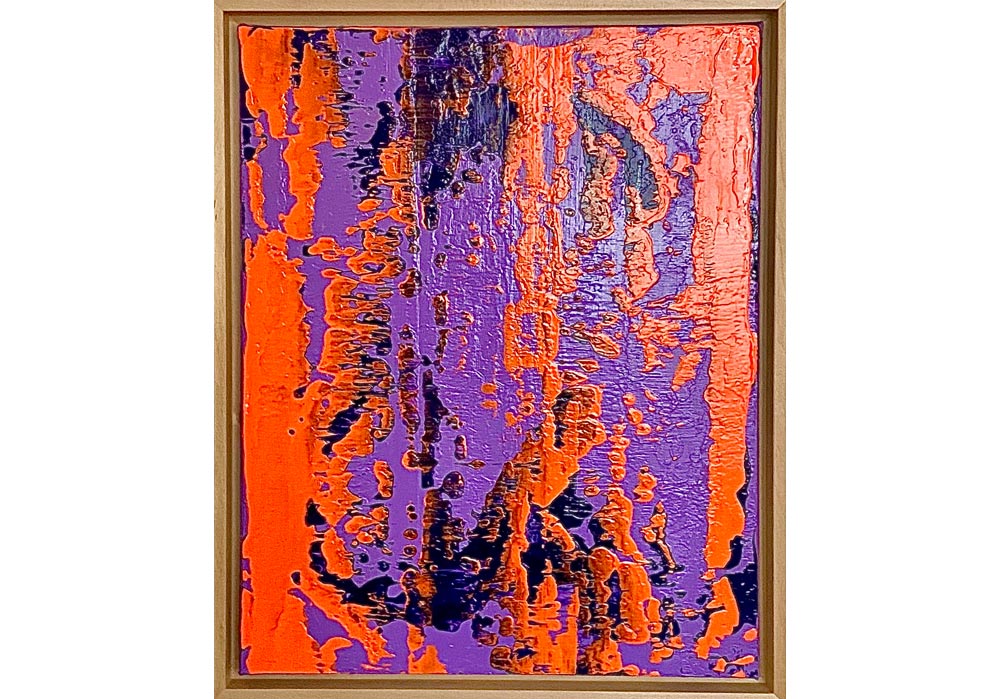
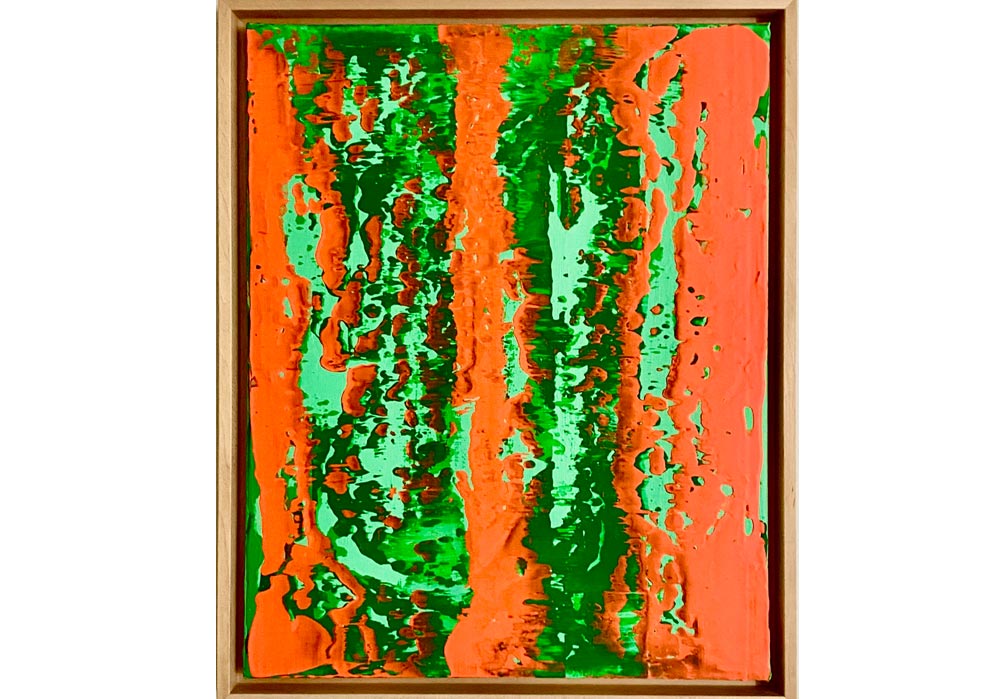
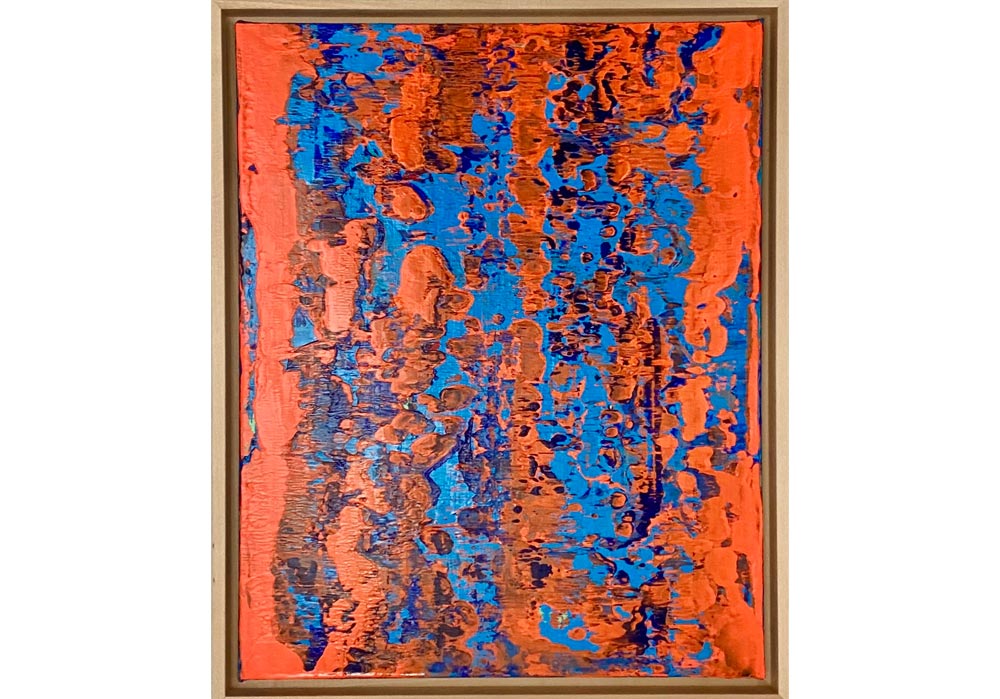
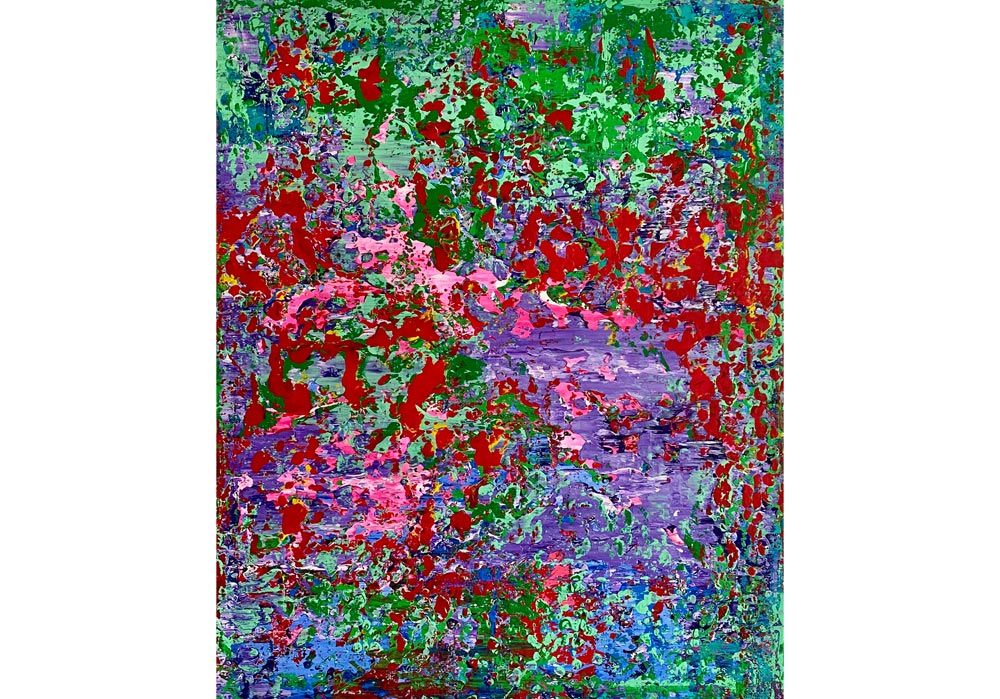
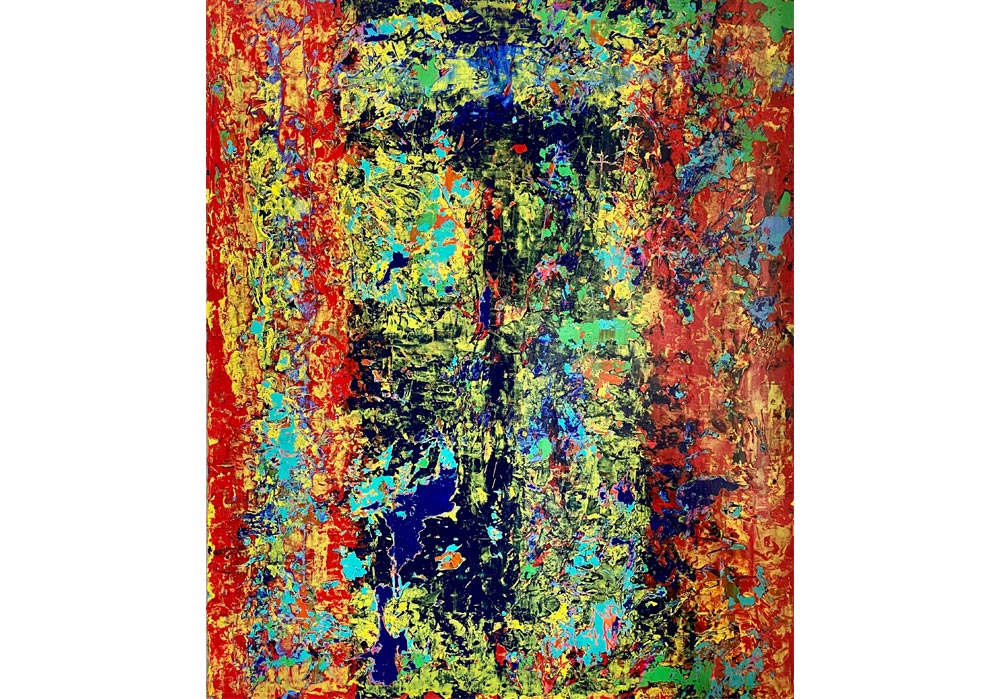
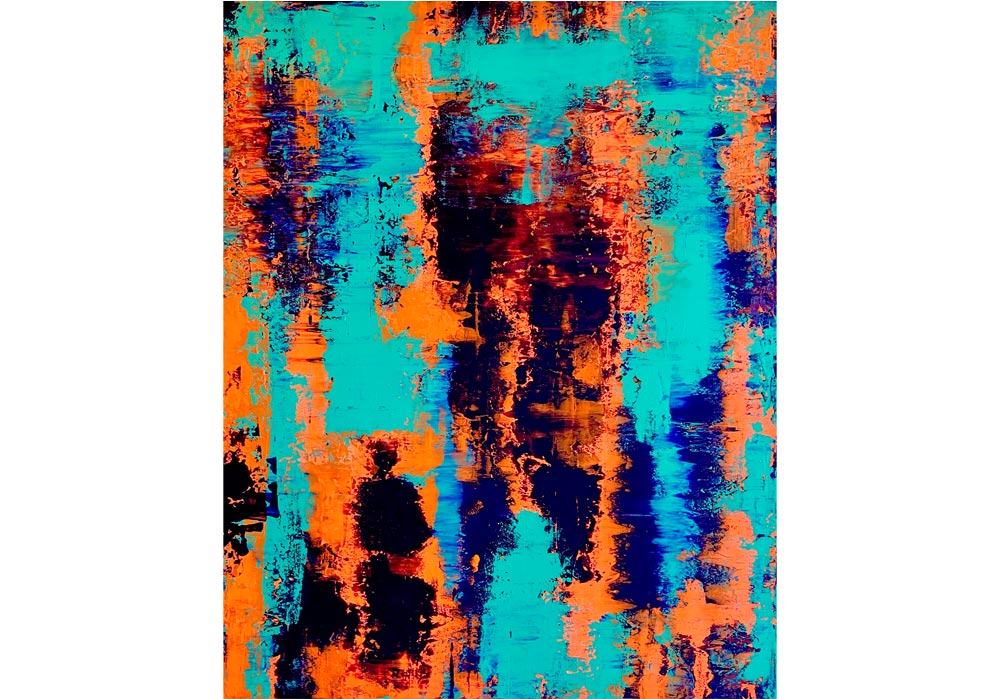
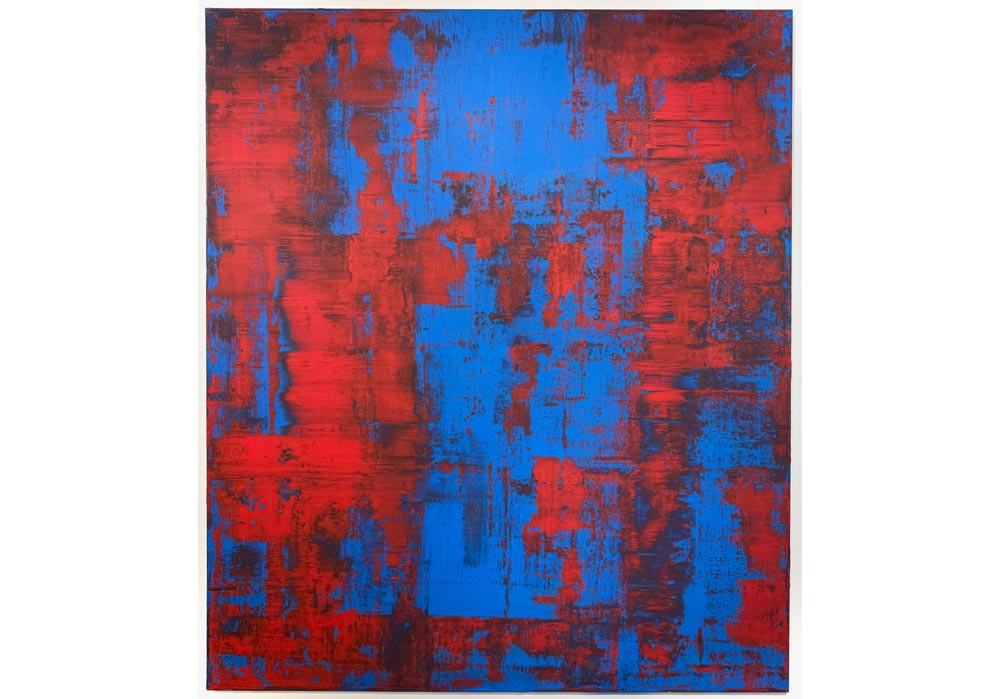
Nr 28 – Olis Paintings – You are BeautifulI
2024
Acrylic on Canvas
175cm x 150cm
upon request
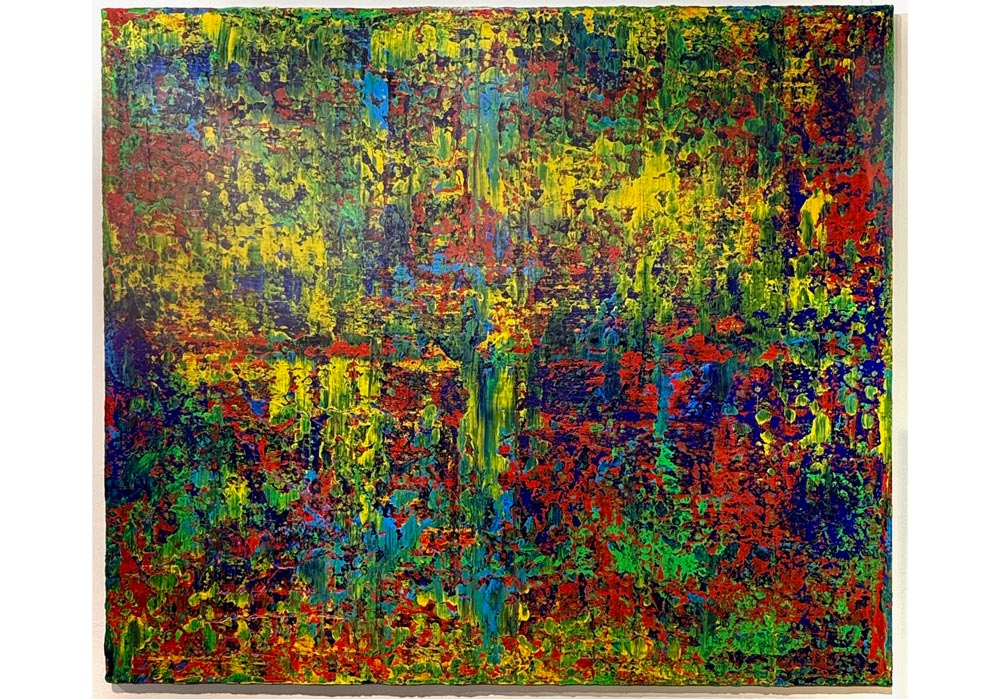
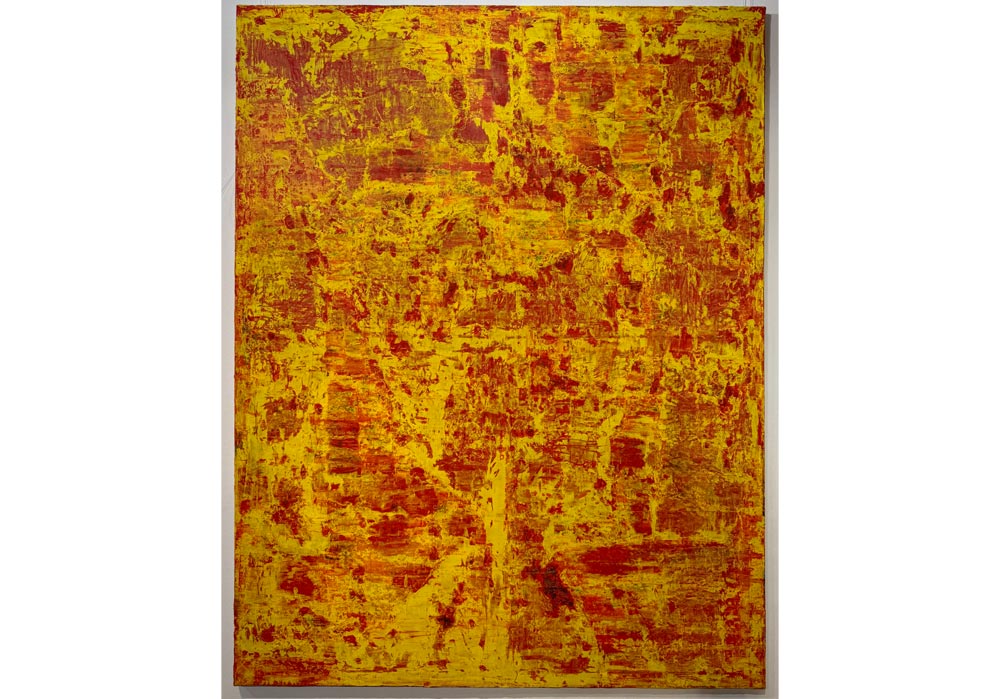
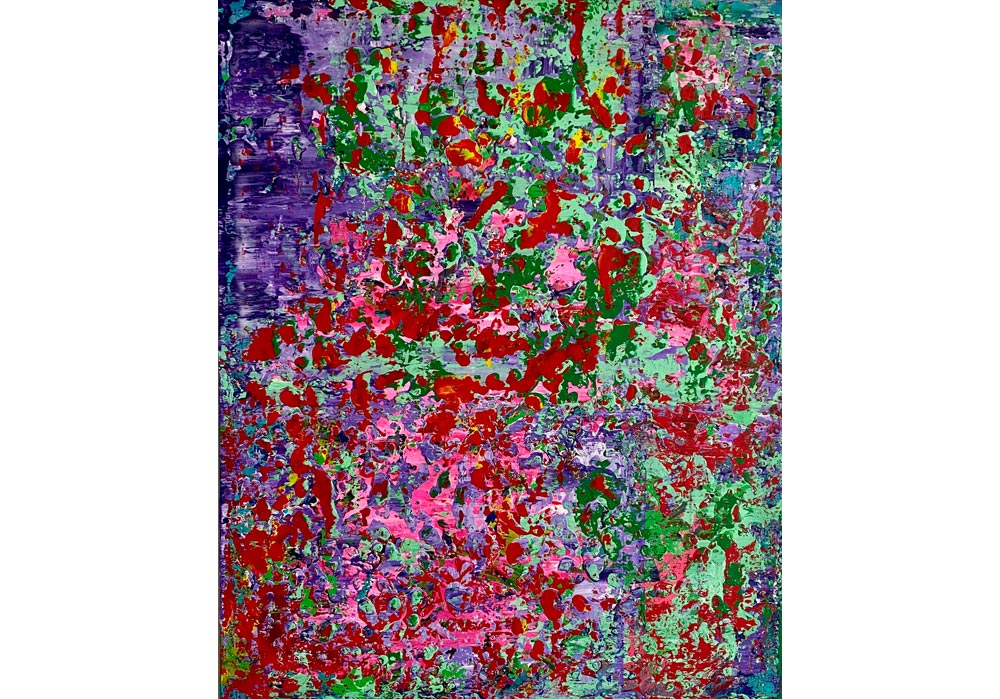
Nr 27 – Olis Paintings – The little Lord
2024
Acrylic on Canvas
180cm x 140cm
upon request
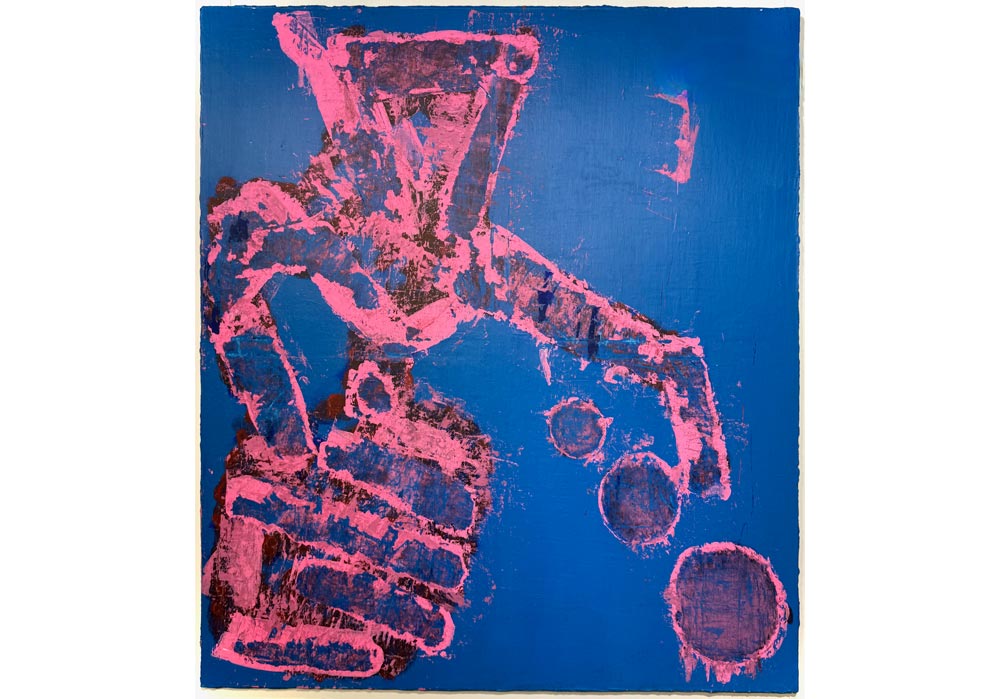
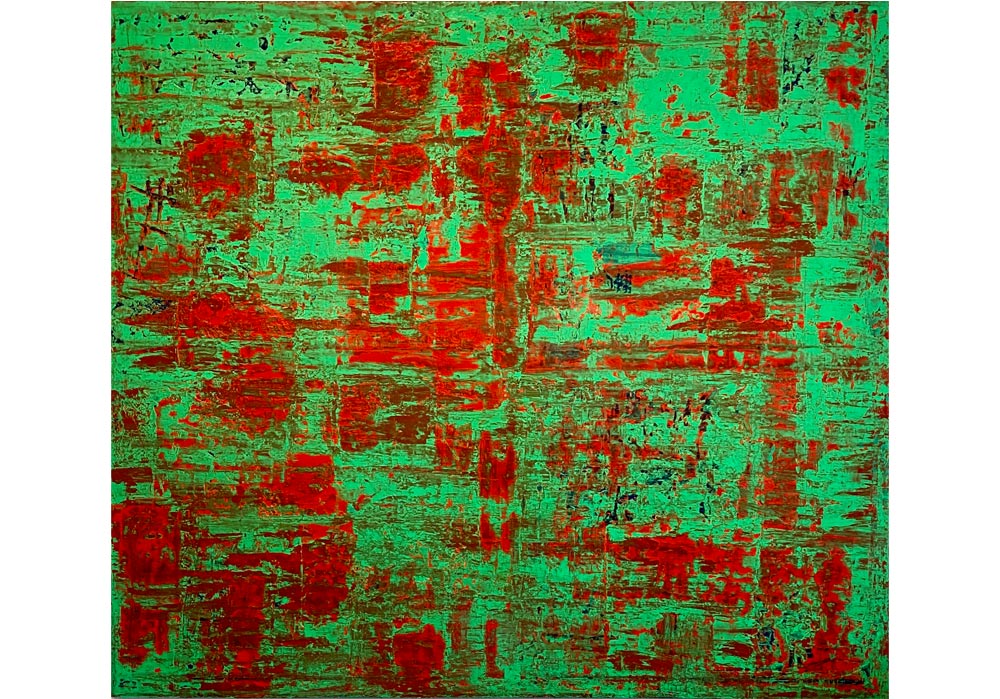
Nr 12 – Olis Paintings – Storyteller II Aggressor
2021
Acrylic on Canvas
160cm x 140cm
upon request
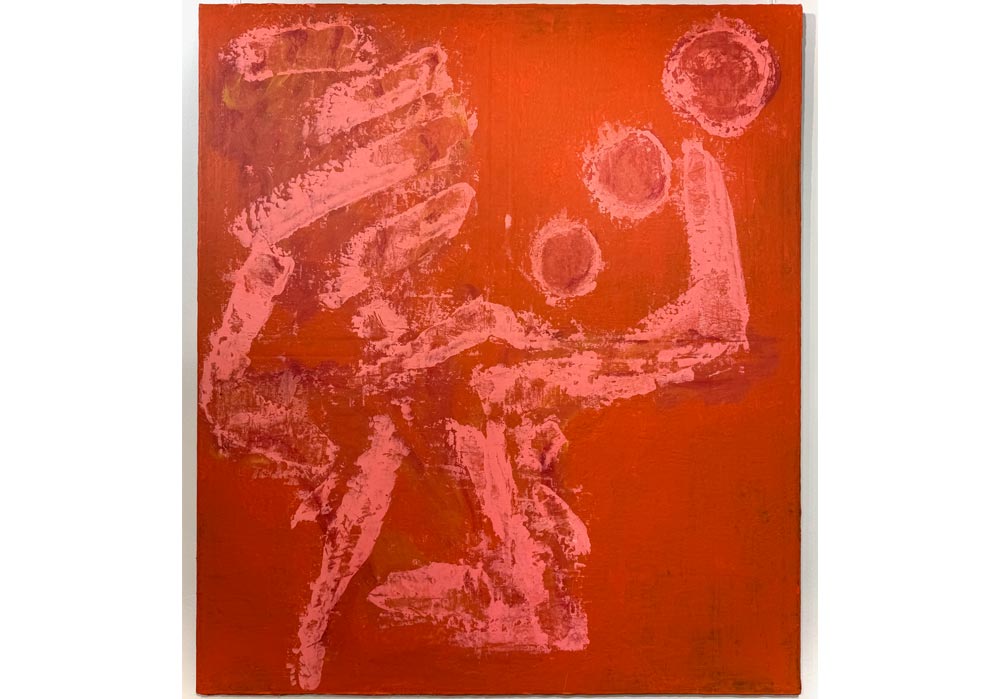
Nr 11 – Olis Paintings – Storyteller I Seducer
2020
Acrylic on Canvas
160cm x 140cm
upon request
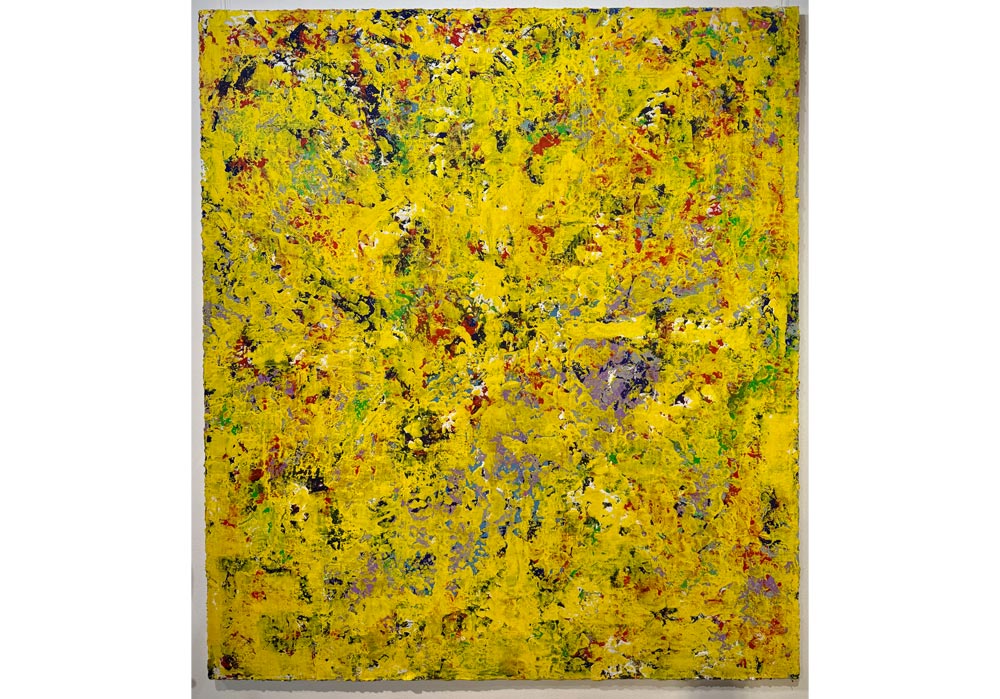
Nr 16 – Olis Paintings – Lifelines I Developed
2022
Acrylic on Canvas
180cm x 160cm
upon request
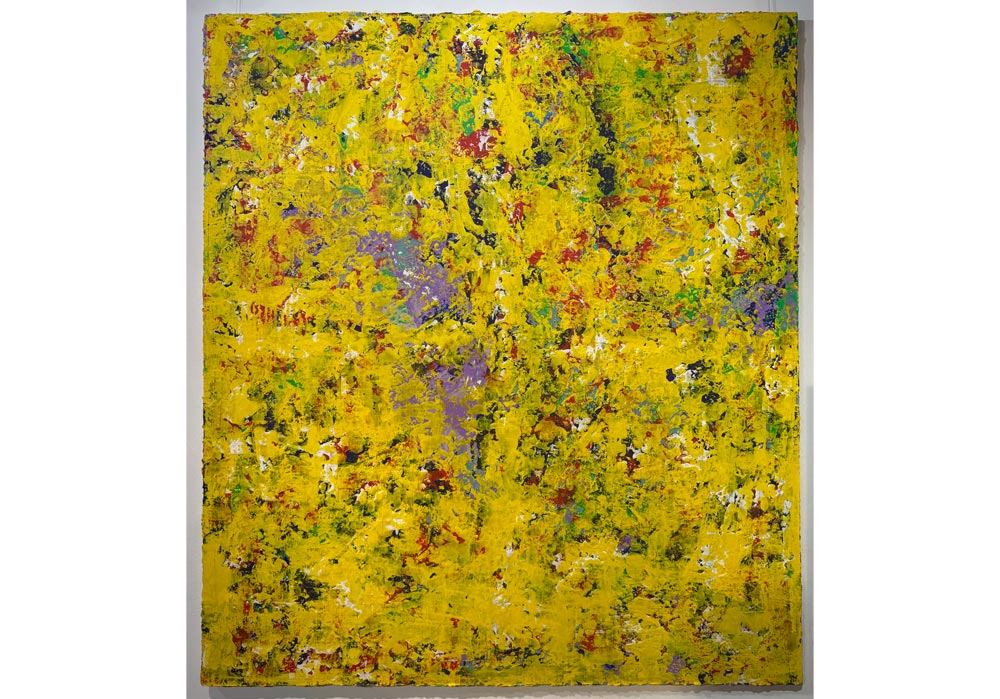
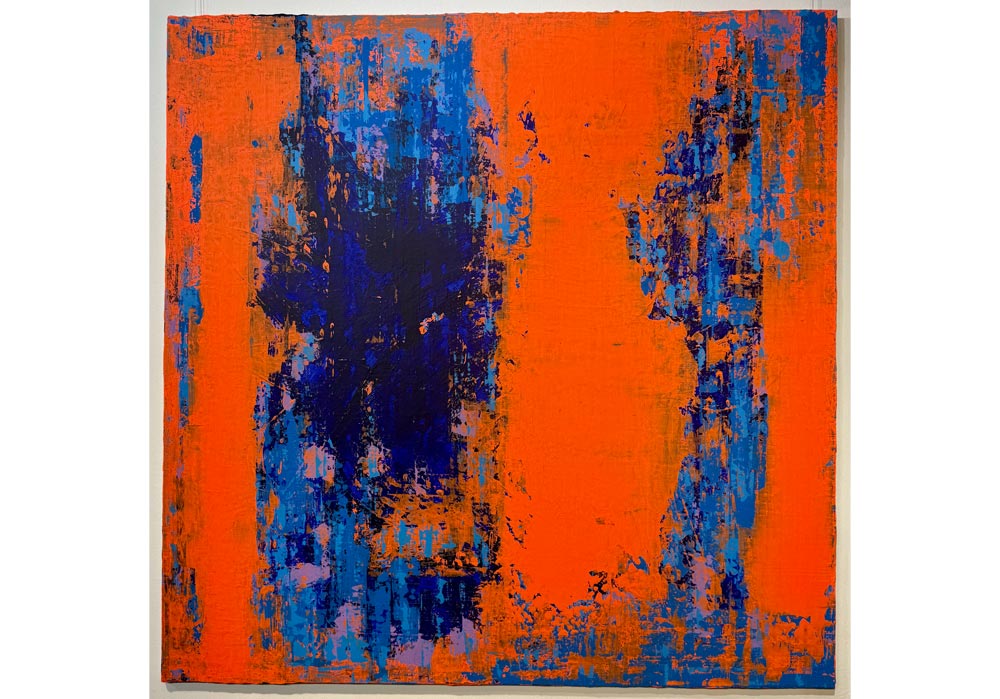
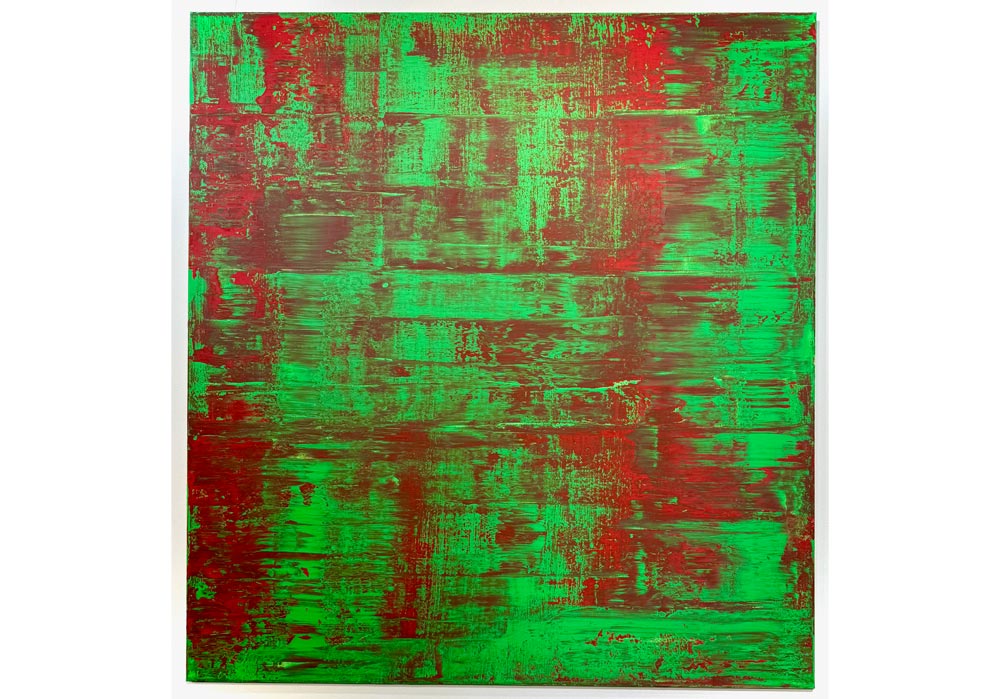
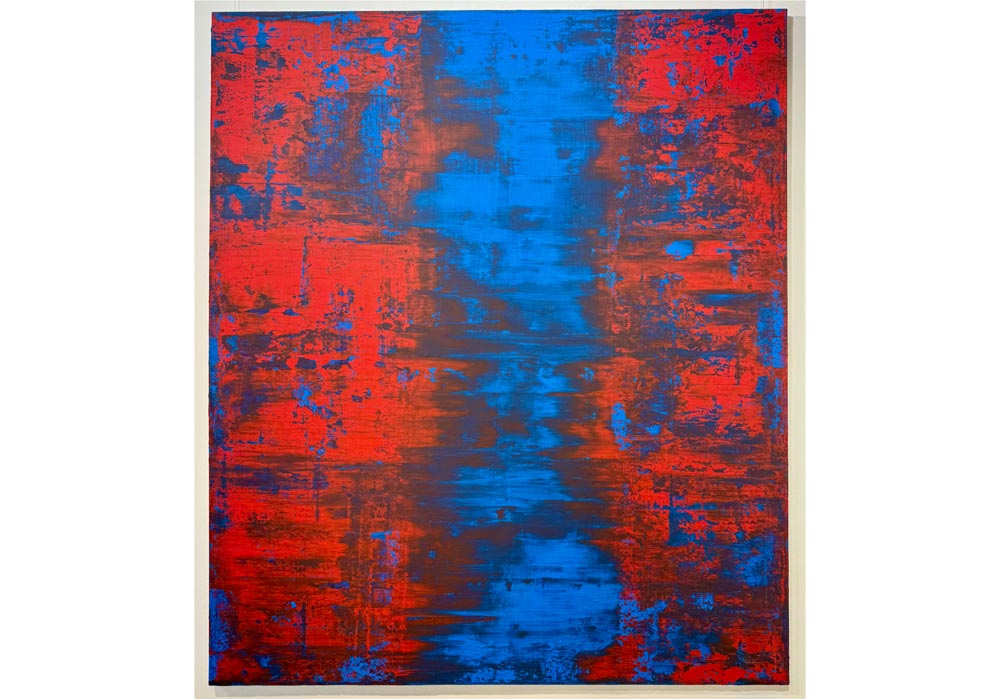
Nr 29 – Olis Paintings – Even behind Walls
2024
Acrylic on Canvas
175cm x 150cm
upon request